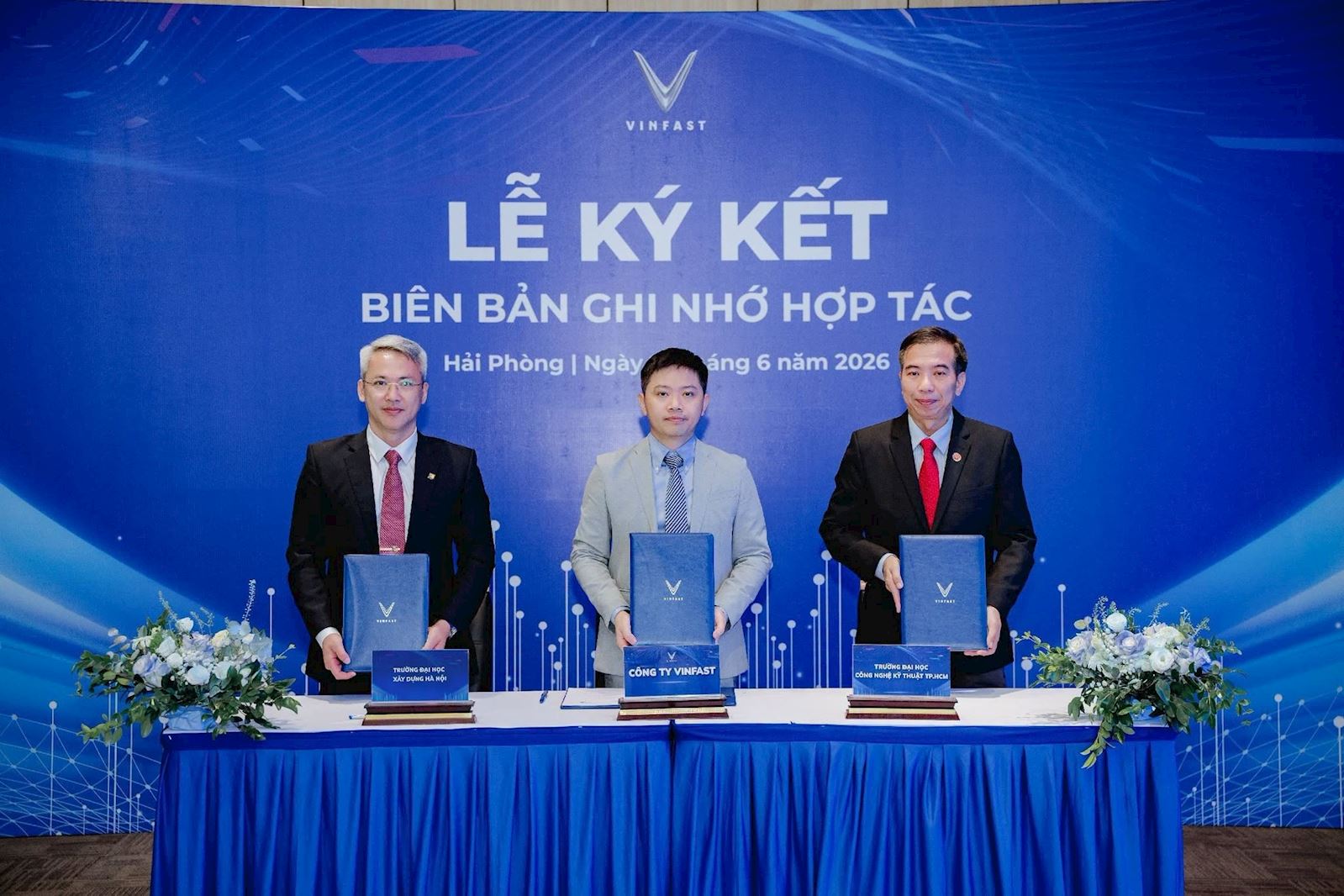
The Evolution and Prowess of the Faculty of Mechanical Engineering, Hanoi University of Civil Engineering
The Construction Machinery discipline first began its journey at Hanoi University of Science and Technology (Đại học Bách khoa) with Course 5. Following Decision No. 144/CP on August 8, 1966, which established Hanoi University of Civil Engineering (HUCE), the discipline was transferred to HUCE, initially integrated into the Faculty of Hydraulics – Ports. A pivotal moment occurred in September 1967 when the Construction Machinery Department was spun off from the Faculty of Hydraulics – Ports to form the Faculty of Construction Mechanics.
The newly established faculty comprised the following founding departments:
Construction Machinery Department
Electrical Engineering Department
Thermal Engineering Department
Mechanical Workshop
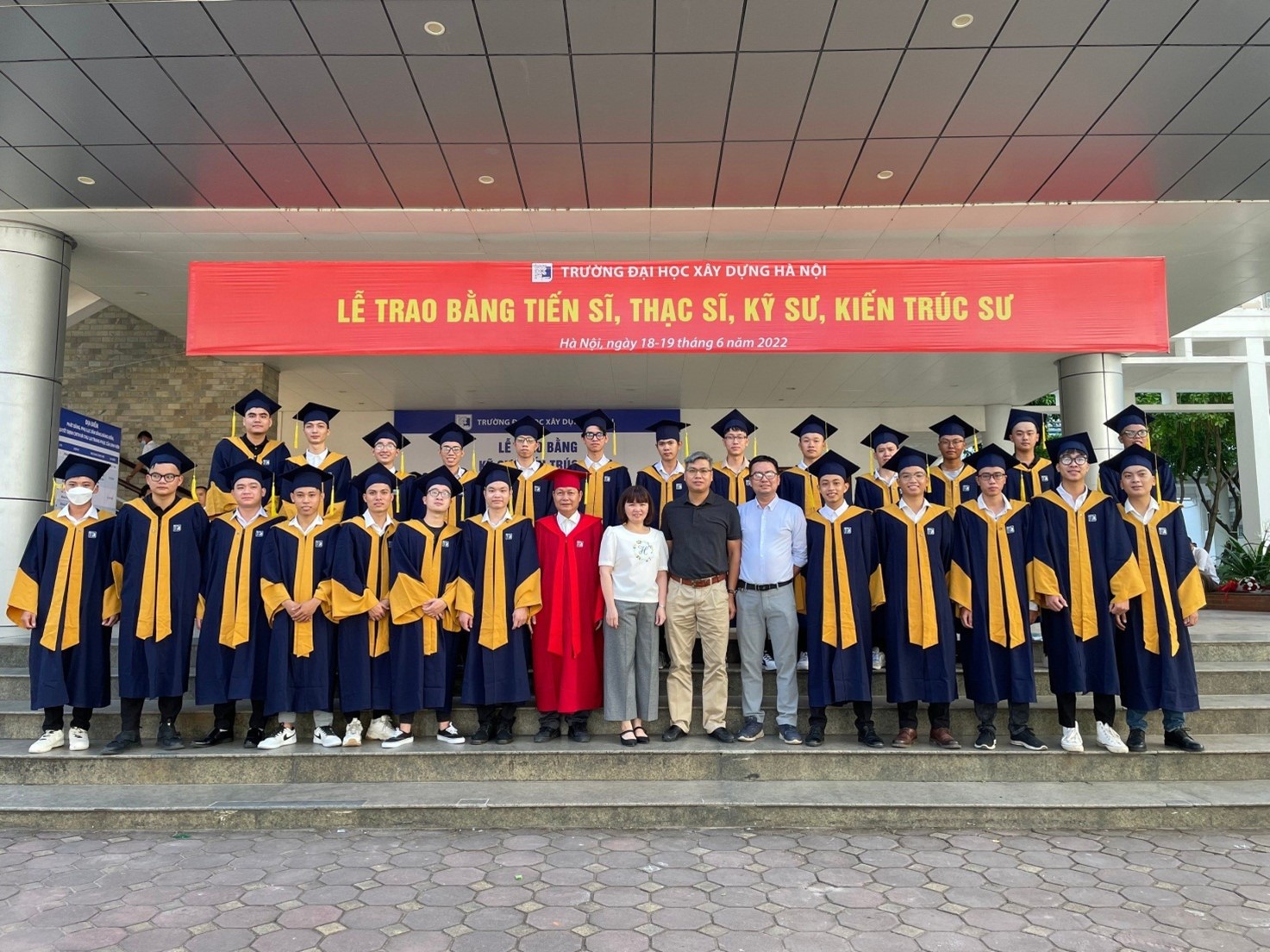
A Timeline of Institutional Growth
in Research and Academic Achievement
Organizational Structure and Educational Programs
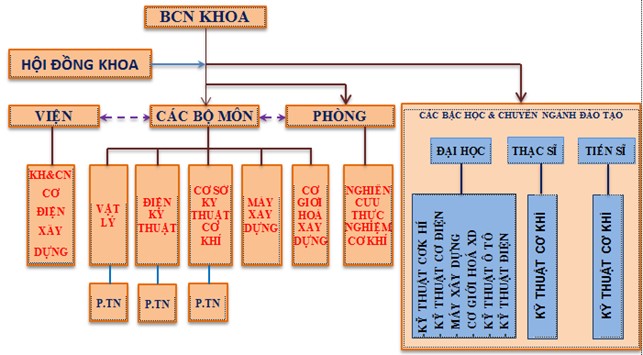
The Faculty of Mechanical Engineering currently operates with 05 departments and 01 research lab:
Construction Machinery Department
Construction Mechanization Department
Fundamentals of Mechanical Engineering Department
Electrical Engineering Department
Physics Department
Mechanical Experimental Research Lab
The faculty offers a comprehensive range of academic programs at both undergraduate and postgraduate levels within the Mechanical Engineering discipline:
|
Educational Level |
Program/Major |
Launch Year |
|
Undergraduate |
Mechanical Engineering |
2019 |
|
|
Electrical Engineering |
2023 |
|
|
Electromechanical Engineering (Major) |
2019 |
|
|
Automotive Engineering (Major) |
2021 |
|
|
Construction Machinery (Major) |
N/A |
|
|
Construction Mechanization (Major) |
N/A |
|
Postgraduate |
Master of Applied Science, Master of Research (Mechanical Engineering) |
N/A |
|
Doctoral |
Mechanical Engineering |
N/A |
The faculty is led by:
Dr. Cao Thành Dũng - Dean
Assoc. Prof. Dr. Nguyễn Văn Tịnh - Vice Dean
The teaching and administrative staff is robust, comprising:
Academic Staff: 45
Administrative Staff: 09
Professors: 01
Associate Professors: 03
Doctors (Ph.D.): 13
Masters: 32
Senior Lecturers: 04
Principal Lecturers: 05
The core functions and responsibilities of the faculty include:
Developing and delivering undergraduate and postgraduate programs in Mechanical Engineering and Electrical Engineering, with four key majors: Construction Machinery, Construction Mechanization, Electromechanical Engineering, and Automotive Engineering. The goal is to ensure graduate outcomes meet market demand.
Planning and executing scientific and technological activities, international collaboration, and partnerships with scientific organizations, manufacturing, and business enterprises in the fields of Mechanics, Electricity, and Control—especially concerning the design and construction of construction machines, on-site and off-site electrical systems, and industrial control systems.
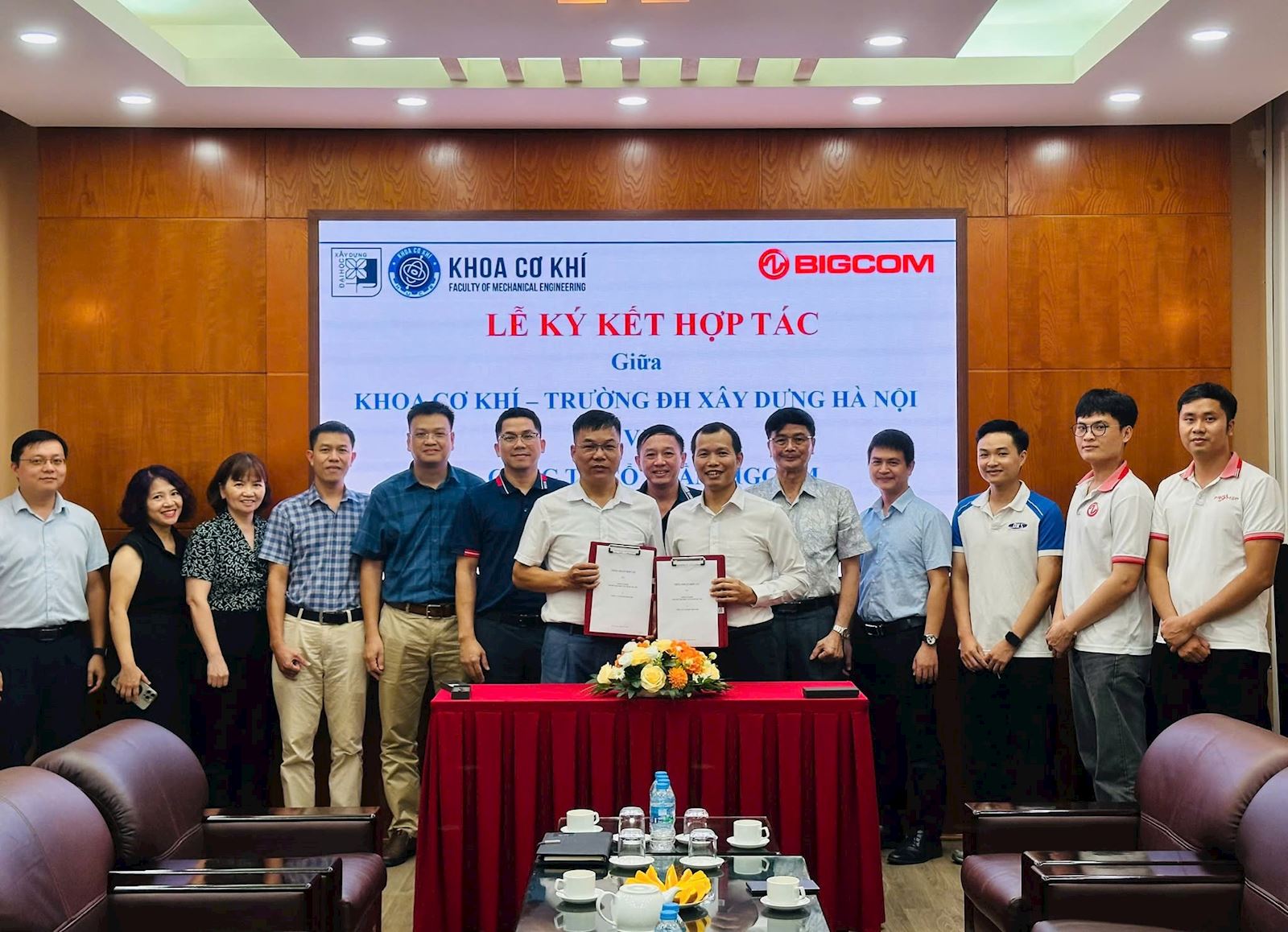
Collaborating with and mobilizing the involvement of businesses in the faculty’s training, research, and technology transfer processes.
The training objectives are designed for the holistic development of the learner, encompassing a foundational understanding of civil engineering, in-depth knowledge of mechanical engineering, and construction execution techniques. This rigorous academic preparation aims to equip engineers with the teamwork and professional competencies necessary to excel in the fields of Mechanics, Electricity, and Control, or to pursue their individual professional goals upon graduation.
Training Programs (Curriculum)
| Educational Level | Discipline/Major |
| Undergraduate |
Mechanical Engineering; Electromechanical Engineering; Automotive Engineering; Construction Machinery; Construction Mechanization; Electrical Engineering |
| Master's Degree | Mechanical Engineering |
| Doctoral Degree | Mechanical Engineering |
The Faculty's training program is meticulously designed to foster the holistic development of learners. The curriculum encompasses a reasonable balance of fundamental knowledge in civil engineering, comprehensive knowledge in mechanical engineering, and expertise in construction execution techniques.
The primary aim is to produce engineers with strong teamwork capabilities and professional competence equipped to excel in the fields of Mechanics, Electricity, and Control, or to successfully pursue their individual professional goals upon graduation.
Faculty members, in collaboration with the Institute of Science and Technology for Construction Electromechanics, have been actively researching numerous scientific issues within the field of Mechanical Engineering, including:
Lifting Equipment: Tower cranes , overhead cranes, gantry cranes, pedestal cranes, etc.
Construction Material Production Equipment: Concrete batching plants, various types of crushers, machines for manufacturing precast concrete components, various vibration and impact-vibration machines used in construction, cement production equipment.
Earthmoving Equipment: Attachments for hydraulic excavators , high-speed earthmoving machinery, etc.
Road Construction Equipment: Vibratory compactors, machines for breaking and preparing asphalt pavement structures for resurfacing, self-propelled concrete curb cutters, concrete paving machines, etc. .
Electrical Systems, Substations, and Control Systems.
A portion of these scientific research outcomes has already been successfully applied in practical production.
Alongside these traditional research areas, and in response to evolving market demands, faculty members are pioneering new research directions, such as: Control Systems for equipment in machinery and structures; Electro-Electronic Systems in construction; and New Materials.
Engineers graduating from the Faculty of Mechanical Engineering are qualified for positions across a wide range of sectors, including:
Construction and Transportation industries.
Manufacturing plants and enterprises.
Consulting services.
Designing machinery, technological equipment, electrical systems, and substations.
Inspection and verification of construction equipment.
Manufacturing and installation of machinery.
Trading or business of construction equipment and machinery.
Academic careers in teaching and scientific research.
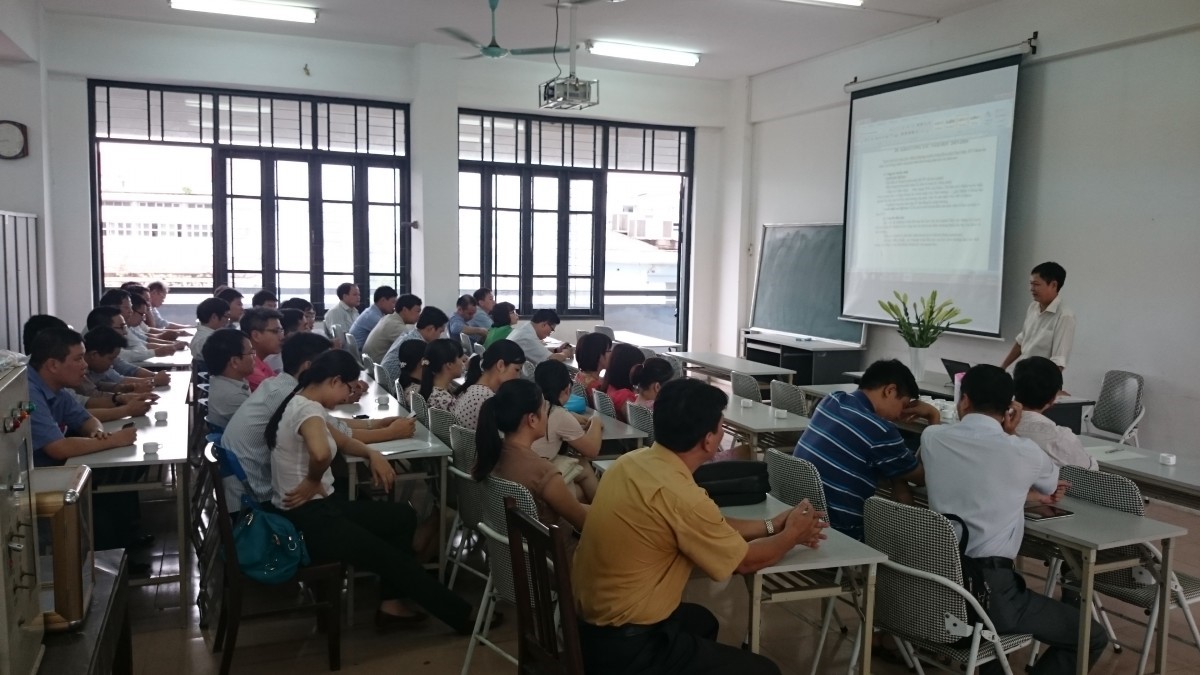
A professional development session for the Faculty's lecturers

The Faculty's lecturers participated in a cooking competition on March 8th (International Women's Day).
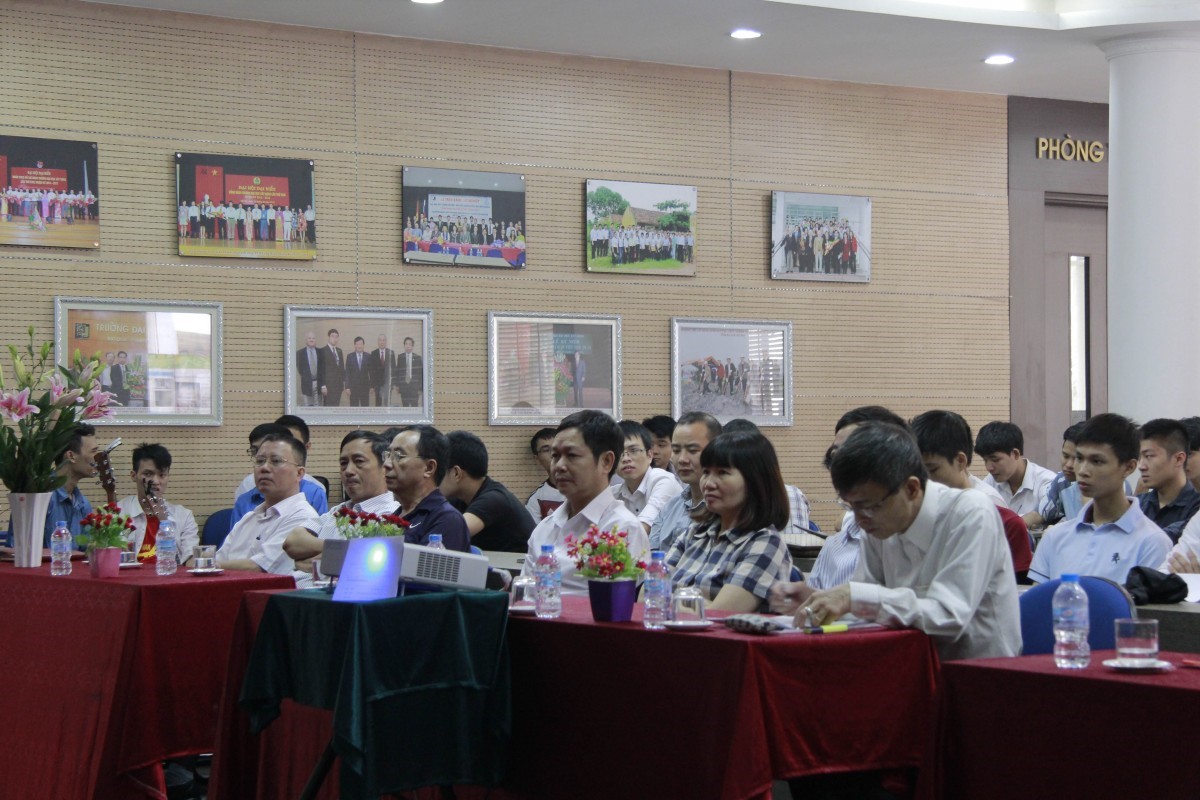
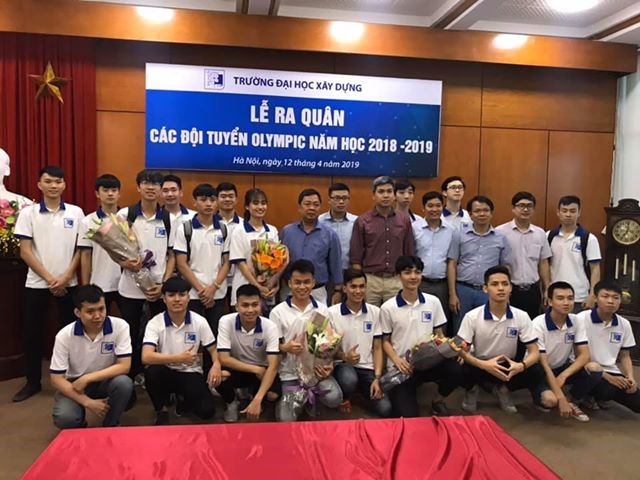
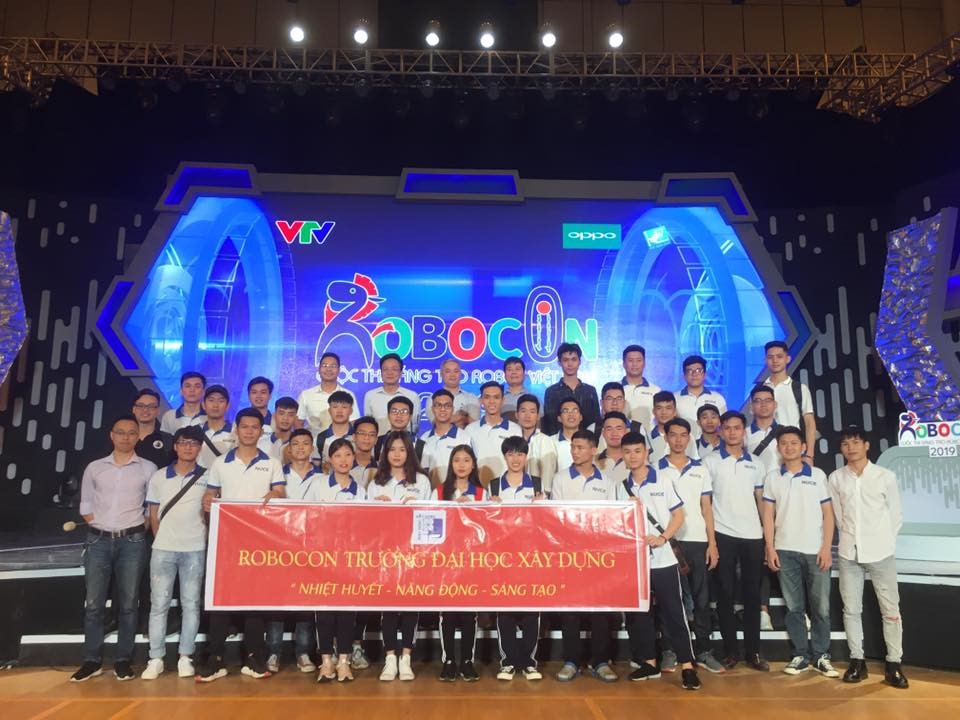
Faculty staff and students of the Mechanical Engineering Department interact/exchange with businesses/enterprises.
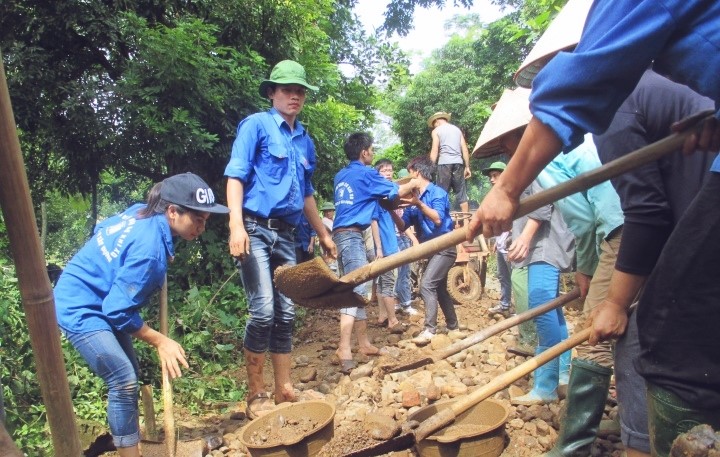
Faculty students participate in volunteer activities.
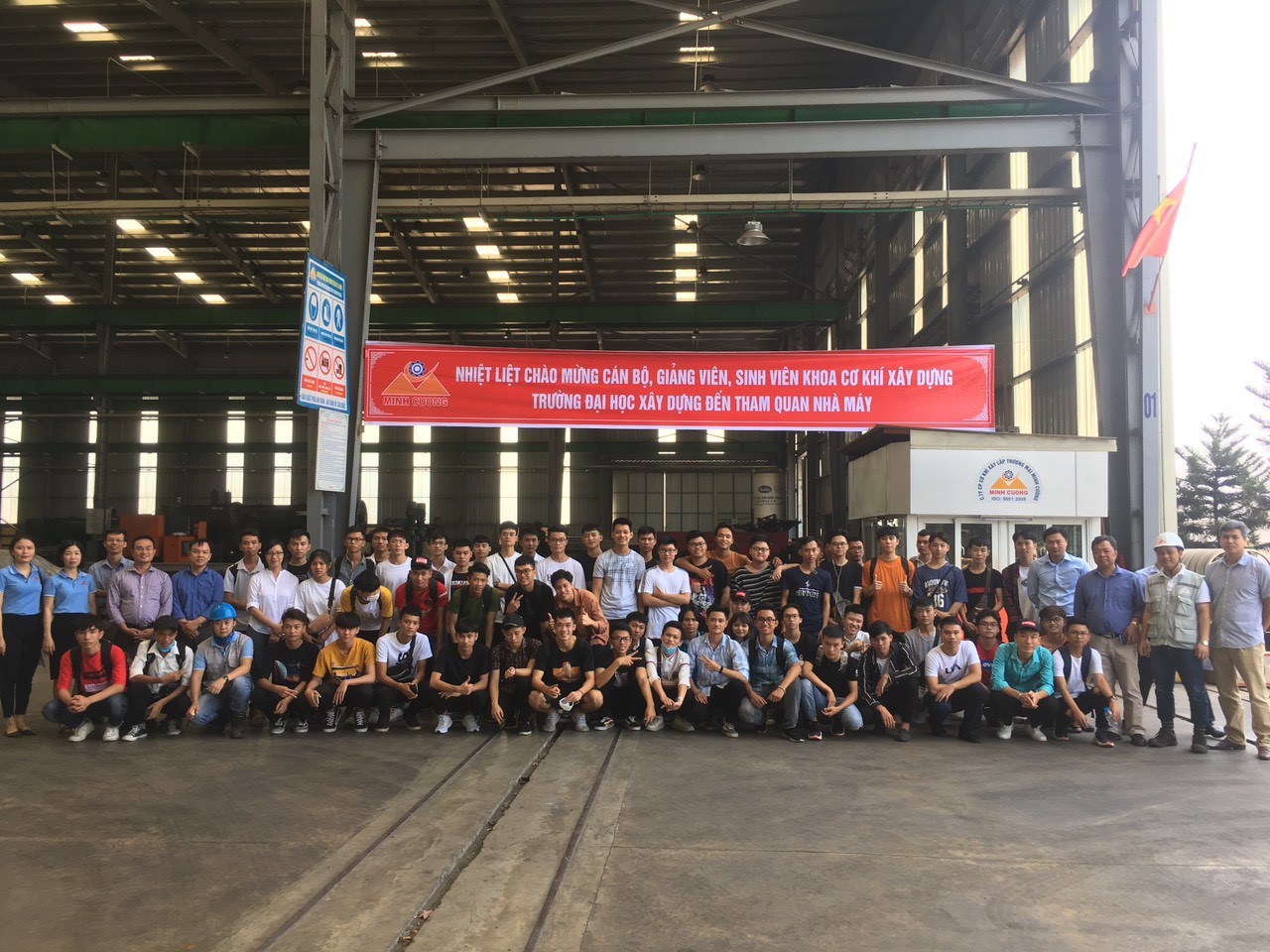
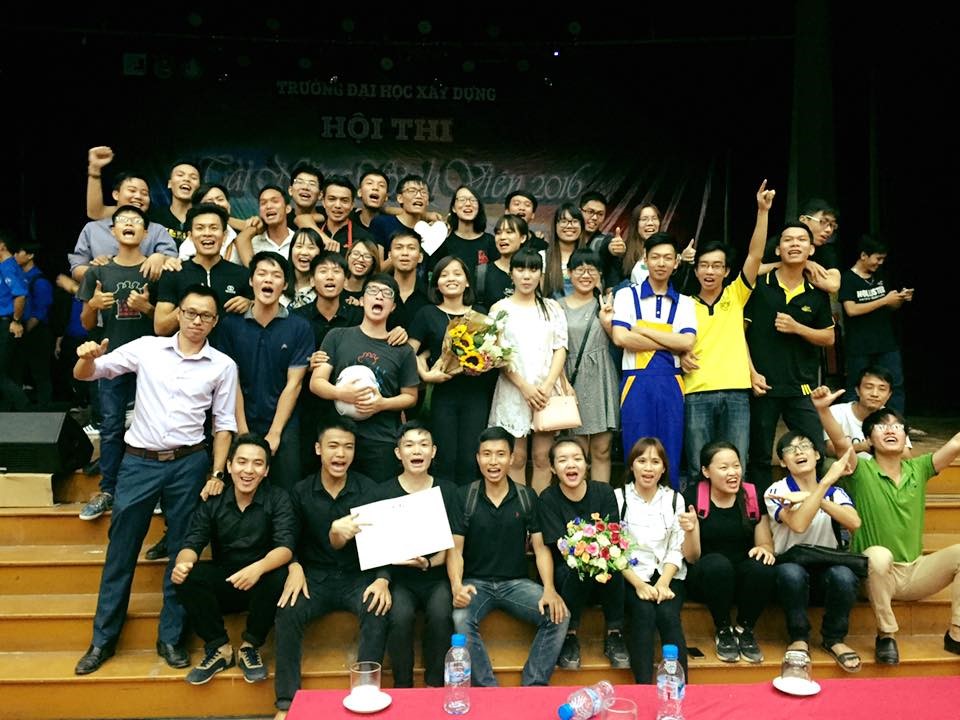

Office of the Faculty of Mechanical Engineering
Location: Room 109, Building A1 - Hanoi University of Civil Engineering (HUCE)
Address: No. 55, Giai Phong Street, Bach Mai Ward, Hai Ba Trung District, Hanoi City.
Tel: (024) 38.691.445
Hotline: 0983.834452
Email: cokhi@huce.edu.vn
Website: https://cokhi.huce.edu.vn/

 /
/



 19/09/2026